

Introduction: What Music Marketing Really Means in 2026
Music marketing is the full journey from turning a stranger into a superfan—someone who streams repeatedly, buys merch, and shows up to your shows. It’s not just posting a link on release day. Effective music marketing for independent artists requires a shift from passive broadcasting to building a structured digital and physical funnel that converts casual listeners into lifelong supporters.
The landscape has shifted dramatically since the early 2010s. Physical sales and MySpace-era promotion gave way to streaming giants and algorithmic playlists on Spotify and Apple Music. TikTok and Instagram Reels now break artists regularly, with short-form video driving discovery. This guide, written from the perspective of Indie Bible’s 25+ years helping thousands of artists, covers brand building, online presence, social media, streaming strategy, music PR, data analytics, and networking—practical, affordable strategies that work.
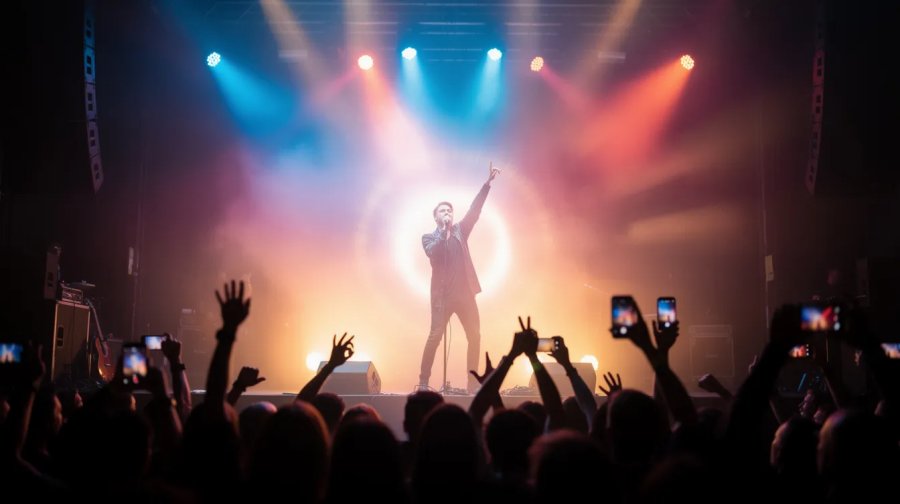
Define Your Artist Brand and Story
Your artist brand is the combination of sound, visuals, values, and story that ties your entire catalog together. In the crowded world of music, your brand is what sets you apart, and defining your musical identity is crucial for conveying themes, aesthetics, or personal stories through your music.
Start by defining a clear lane. What genre do you occupy—alt-R&B, indie rock, electronic pop? What themes run through your work—mental health, nightlife, heartbreak? Who is your audience by age, location, and culture? A structured program can help artists develop the skills needed to craft a clear, marketable brand identity, empowering them to refine their brand vision and communicate it effectively.
Visual branding is essential. Everything from your album art to your social media presence should reflect your unique style and personality to create a cohesive brand identity. Think consistent color palette, typography, logo or wordmark, and photography that matches your music’s mood. Taylor Swift’s Eras Tour concept, with era-specific aesthetics generating over $2B in revenue, illustrates how creating a world around your music release helps fans connect with your artistic identity. Billie Eilish’s monochrome goth aesthetic since 2016 correlates with her 100M+ monthly listeners—cohesion works.
Consistency in branding across all platforms helps build trust and allows fans, collaborators, and industry professionals to understand who you are and what you represent. A strong brand lets press, playlist curators, and similar artists recognize instantly where you fit in the music industry.
Optimize Your Online Presence
Your online ecosystem in 2026 spans your official website, social media profiles, and digital service provider pages on Spotify, Apple Music, Amazon Music, YouTube Music, Deezer, and SoundCloud. A consistent and professional online presence builds trust and helps fans, collaborators, and industry professionals understand who you are and what you offer.
Your website serves as your central hub, allowing you to control the experience and showcase your music, sell merchandise, promote shows, and collect emails for your mailing list. Platforms like Bandzoogle or Squarespace let you host an EPK with your bio, press clips, and embedded players from Apple Music and Spotify. Mailing lists typically see 20-30% open rates—far better than social algorithm reach.
Using consistent handles across all platforms makes you easier to find and reinforces your branding. Claim @artistname or @artistnamemusic across Instagram, TikTok, X, YouTube, and all DSPs. Ditto Music reports 35% higher cross-platform growth for artists with unified handles.
Set up and verify artist profiles on major streaming platforms using tools like Spotify for Artists and Apple Music for Artists. Claim your pages with your UPC/ISRC, upload hi-res press photos, and write keyword-rich bios. Direct-to-fan hubs like Bandcamp complement streaming by offering 85-90% revenue retention per sale versus Spotify’s fraction-of-a-cent per stream, giving you more control over pricing and release formats.
Develop a Social Media Content Strategy
Social media is one of the most powerful marketing tools for artists, and consistency in posting is key to maintaining engagement and showcasing personality. Since around 2019, platforms like TikTok, Instagram Reels, and YouTube Shorts have broken artists regularly—TikTok alone has been responsible for breaking 40% of Hot 100 hits since 2020.
The contemporary music industry values high-volume visual content and interpersonal connection over polished perfection. Short-form videos, behind-the-scenes clips, and lyric snippets often perform best on platforms like TikTok and Instagram. Decide on 3–5 recurring content pillars: performance clips, songwriting breakdowns, personal life moments, gear talk, and fan reactions. This prevents random posting and feeds algorithms consistently.
Create a sustainable rhythm of 3–5 posts per week rather than daily burnout. The 60/30/10 content rule involves 60% engaging content, 30% curated or shared content, and 10% direct promotion. Tailor content to each platform: short vertical performance clips for TikTok, behind-the-scenes carousels for Instagram, longer breakdowns or vlogs for YouTube.
Engagement goes beyond simply posting on social media—it involves fostering a genuine connection with your audience by responding to comments, replying to messages, and asking for feedback. Hosting Q&A sessions, live streams, or AMAs can deepen your relationship with fans, making them more likely to support you financially through platforms like Patreon or by purchasing your music directly. A smaller, highly engaged fanbase is far more valuable than inflated follower counts; prioritizing engagement over reach can lead to stronger connections with your audience.
Creatively leveraging trends, such as using trending audio and hashtag challenges, can increase discoverability. However, relying solely on social media algorithms leaves distribution vulnerable to platform changes—always drive traffic back to your website and mailing list.
Use Streaming Platforms and Playlisting Strategically
Streaming platforms like Spotify, Apple Music, and SoundCloud are essential for music distribution and audience growth, allowing artists to reach millions of listeners worldwide. With streaming accounting for 67% of global recorded music revenues in 2025, your release strategy must treat each drop as a campaign, not a one-day event.
Plan releases using pre-saves, pre-orders, teaser clips, and coordinated social media pushes around your release date. Streaming algorithms heavily reward localized, early listener velocity over general catalog drops—aim for 20% pre-release saves via distributors like DistroKid.
Utilizing tools provided by streaming services, such as Spotify for Artists, can help independent artists track listener demographics and song performance, enhancing their promotional strategies. Submitting your song for editorial consideration at least three to four weeks before release can maximize your chances of landing on editorial playlists—though acceptance rates hover around 1% for indies.
Researching independent curators and user-curated playlists can drive meaningful engagement and help build momentum for your music. Niche playlists with 1K-50K followers often outperform editorials for genre fits, with platforms like SubmitHub offering 20-30% add rates for quality submissions. Collaborating with other artists and pitching to playlist curators on streaming platforms can significantly increase an artist’s visibility and engagement with new audiences.
Release cadence matters: most independent artists benefit from dropping a single every 6–8 weeks to feed algorithms and keep fans engaged. Soundcharts 2026 data shows this approach yields 2x listener retention compared to sporadic releases. Embed Apple Music and Spotify players on your website and link directly to tracks in emails and social posts.
Music PR, Media Outreach, and the Indie Bible
Music PR is the process of securing coverage in blogs, online magazines, playlists, podcasts, and radio to build credibility and expand your audience. Public relations builds long-term authority that later helps with festival bookings, sync opportunities, and label interest—unlike ads, which provide quick but fleeting boosts.
Many artists can build DIY PR campaigns by preparing a professional EPK, writing a concise press release, and compiling a media list that matches their genre and location. Pitching your music respectfully with short, personal, and professional messages can significantly improve your chances of playlist and press inclusion.
The Indie Bible helps here with over 1,500 pages across 16 sections organized by genre and country, listing music blogs, radio stations, reviewers, and other outlets for targeted outreach. A concrete example: an artist using the Indie Bible Online Database in 2025 filtered for US college radio, UK rock blogs, and Latin playlists, pitched 50 outlets, landed 12 reviews and airplay spots, and saw streams spike 300%.
For email etiquette, use personalized subject lines like “[Genre] Single for [Outlet]: [Artist],” keep pitches under 100 words, include clear links to Spotify, Apple Music, and press photos, and follow up on day seven. Consistent, well-researched PR over multiple releases compounds—most independent artists who allocate time to promotion see 40% faster fanbase growth.
Leverage Data and Analytics to Guide Your Strategy
Modern music marketing is data-driven, not guesswork. Using analytics tools on social media and streaming platforms to track engagement and identify trends can help artists understand which posts or songs resonate most with their audience.
Track key metrics: monthly listeners, saves, playlist adds, and skip rates on DSPs; reach, watch time, and click-through on social posts. Spotify for Artists and Apple Music for Artists dashboards reveal listener age, location, and behavior—if 40% of your listeners are in LA and NY, plan tours there.
Establish simple monthly review routines: export data or take screenshots, compare release-to-release performance, and write down 2–3 actionable insights. Data analytics tools on social media and streaming platforms can help artists tailor their marketing efforts effectively, informing everything from content topics to paid campaign targeting based on the age, location, and interests of fans who already engage.
Networking and Building Real-World Connections
Human relationships remain critical in the music industry, even in a digital-first era. Streaming generates passive listeners, whereas physical interactions convert casual scrollers into lifelong brand advocates. Building a dedicated community rather than just chasing numbers is essential in modern music marketing strategies.
Identify relevant events: local showcases, songwriting camps, conferences like SXSW (which drew 50K attendees in 2026 with 20% yielding collab deals), and online communities or Discord servers for your niche. Approach people with value—offer instrumental versions, remixing, or co-writing opportunities. Follow up politely and maintain relationships over time.
Connect with gatekeepers listed in resources like the Indie Bible: radio programmers, journalists, playlist owners, venue bookers, and producers who align with your style. Collaborative campaigns—joint singles, playlist swaps, or co-hosted livestreams—expose each artist to the other’s audience, with Soundcharts 2026 data showing collaborative releases boost streams by 30-50%.
Using the Indie Bible to Advance Your Music Career
The Indie Bible is a 25+ year resource built specifically to help independent artists promote their music affordably across genres and countries. With more than 1,500 pages across 16 sections arranged by genre and geography, it covers blogs, radio, magazines, distributors, and other promotion outlets worldwide.
A sample workflow: an artist planning a 2026 release uses the Indie Bible Online Database to filter by hip-hop and Europe, then creates a targeted outreach list for PR and college radio. Combining the Indie Bible with the strategies in this article—branding, social media, streaming optimization, PR, and analytics—creates a repeatable, professional-level marketing system.
Even with a limited budget, methodical use of curated contact lists and consistent outreach can dramatically increase worldwide exposure. The Indie Bible offers a cost-effective way to reach hundreds or thousands of outlets compared with hiring an agency for every campaign.
Putting It All Together: A 90-Day Music Marketing Plan
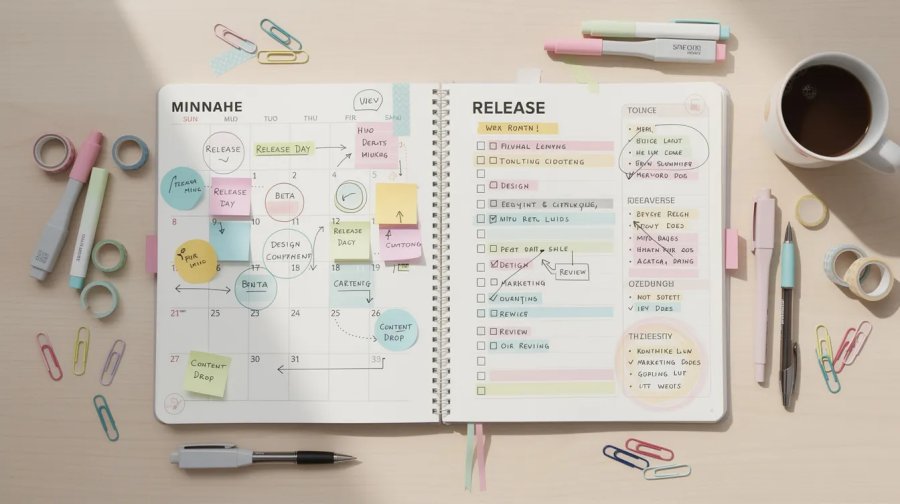
This section outlines a practical 90-day timeline for releasing a single or EP, broken into three phases.
Pre-Release (30 Days Before): Finalize masters and album art. Update your website and DSP profiles with new press photos. Build a social media content calendar. Compile a media list using Indie Bible resources. Schedule pre-save campaigns on Spotify and Apple Music.
Release Week: Execute coordinated posting across platforms. Host a live Q&A or listening party to showcase your creative process. Send press releases and promo mailers. Submit to playlists. Track early data on saves and adds.
Post-Release (60 Days After): Repurpose content with acoustic versions, lyric breakdowns, and behind-the-scenes clips. Continue PR outreach for late coverage. Test small ad spends ($50-200 on Meta targeting engagers). Engage fans who add or share the song.
Repeat this 90-day process for each release, refining based on results. This is how you build a sustainable career in music production and promotion.
FAQ
How much should an independent artist budget for music marketing?
Budgets range from $0 DIY efforts to a few thousand dollars per release. Many artists in 2024–2026 successfully start with $50–$300 focused on targeted tools, not vanity metrics. Prioritize spending on professional mix and mastering first, then visual assets like cover art and simple video, then carefully tested digital ads or PR outreach. Digital advertising can be effective for emerging artists with a clear objective and a willingness to test and learn, starting with as little as $50. Ads on social platforms like Meta, TikTok, and YouTube are particularly effective, especially when the best-performing digital ads resemble organic content such as short-form videos or live clips.
Is music PR or social media more important for new artists?
Both matter, but for artists with no existing audience, consistent social media content and direct fan engagement often bring faster feedback than PR alone. PR becomes more powerful when there’s already some momentum and a clear story. Spend most weekly time on content and fans, reserving a few hours for targeted PR outreach using curated contact lists from resources like the Indie Bible.
How often should I release new music to grow on Spotify and Apple Music?
A realistic cadence for independent artists is a new single every 6–8 weeks, or a cluster of singles leading into an EP or album once or twice a year. Frequent, high-quality releases give algorithms more data and fans more touchpoints. Plan an entire release cycle—recording, artwork, PR, content—before announcing dates to avoid missed opportunities.
Can I handle music marketing myself, or do I need a label or agency?
In 2026, many successful independent artists manage their own marketing using online tools, educational resources, and guides like the Indie Bible. Outside help makes sense when admin work blocks your creative process, when managing multiple international campaigns, or when negotiating complex deals. The skills you build doing your own marketing first make you a stronger partner for labels, managers, and your future team.
How long does it take to see results from consistent music marketing?
Meaningful growth typically shows over 6–18 months of steady releases, content, and outreach—not from a single viral moment. Track progress in stages: first 100 followers, first 10 playlist adds, first 1,000 monthly listeners. Celebrate each step. Persistence, good songs, and a repeatable system built on resources like the Indie Bible tend to support success over time, even when early numbers feel small.