

In 2026, over 120,000 tracks are uploaded daily across streaming platforms. That staggering number means your music—no matter how great—competes in a crowded marketplace where visibility is earned, not given. The good news? Independent artists now have access to the same promotion channels that once belonged exclusively to major labels.
This guide walks you through practical, tested strategies for independent music promotions that work in today’s environment. We’ll cover everything from streaming services optimization to playlist pitching, social media content creation to music PR, and show you how tools like the Indie Bible Online Database can help you compete globally on a limited budget.
Key Takeaways
- Independent artists can combine DIY tactics (content creation, direct outreach to music blogs, social media engagement) with curated music promotion services to achieve worldwide exposure without label backing.
- The most effective strategies integrate playlist promotion, music PR, live performance, and email/text lists into one cohesive release plan—relying on a single Spotify playlist campaign rarely builds lasting careers.
- Data from Spotify for Artists, Apple Music for Artists, and social analytics should guide every major promotion decision. Tracking your progress is vital to understanding what works and where to improve in music promotion efforts.
- Using key performance indicators (KPIs) for each channel helps artists measure the effectiveness of their promotional strategies across streaming services, social media platforms, and press coverage.
- The Indie Bible has spent over 25 years cataloging thousands of music promotion platforms, music blogs, radio stations, and record labels to make indie music promotion faster, cheaper, and more targeted for artists of all genres.
What Is Independent Music Promotion?
Independent music promotion involves marketing and distributing music without major label backing, emphasizing targeted grassroots efforts to build a dedicated fanbase. It encompasses all activities an artist uses to get streams, fans, and income through their own initiative—streaming services, social media, music blogs, online radio, sync licensing, and live shows.
The difference between DIY efforts and paid music promotion services is primarily time versus money. DIY means running your own social media accounts, pitching a few people at music blogs directly, and building relationships with playlist curators yourself. Paid services include playlist promotion companies, music PR agencies, radio pluggers, and promotion platforms that handle outreach on your behalf.
Good promotion is long-term and story-based. Independent artists maintain creative control and ownership of their masters, using direct-to-fan strategies for promotion. This approach emphasizes authentic storytelling to build credibility and connect with specific audiences instead of seeking mass exposure. Building a loyal and engaged audience through direct interaction and authentic storytelling is key—not chasing one viral moment or buying meaningless plays.
Consider artists who grew from small playlists and local blog coverage to international tours between 2020–2025. Their common thread wasn’t a single breakthrough track but an integrated promotion plan: consistent releases every 6-8 weeks, targeted outreach using databases like the Indie Bible, and converting new listeners into email subscribers and show attendees.
Preparing Your Music and Brand Before Promoting
Before spending money on any music promotion service, your music, visuals, and story must be genuinely competitive with 2024–2026 releases. High-quality recordings are essential for independent artists, as polished music is more likely to attract listeners, playlist curators, and booking agents.
Technical standards to meet:
- Professional recording, mixing, and mastering that matches loudness (LUFS standards) and clarity of major releases
- High-resolution artwork meeting platform specs (3000×3000 pixels for Spotify)
- Complete metadata: ISRC codes, songwriter credits, genre tags, explicit content flags
- Professional photography for artist profiles (well-lit, contemporary style)
Consistency across social profiles, visuals, and messaging is essential for creating a memorable brand identity as an artist. A cohesive look for album artwork, websites, social media banners, and stage outfits helps fans recognize an artist anywhere.
Essential promo materials checklist:
- 150–300 word artist bio
- 2–3 high-quality press photos in multiple resolutions
- Artwork for singles and albums
- Electronic press kit (EPK) in PDF or web format
- Updated streaming and social links
Crafting Your Story and Melody
Curators, music blogs, and listeners respond to a compelling story as much as to strong production. Your “two story melody”—the narrative arc combined with your sound—creates the hook that makes people remember you.
Frame your story with concrete, time-stamped details:
- Where you’re from and why it matters to your sound
- Themes in your songs that connect to real experiences
- Notable milestones (“sold out a 200-cap venue in Austin in 2024”)
- Why this release matters now
Avoid vague statements like “music for everyone.” Instead: “Recorded this EP during a self-booked European tour in spring 2025, blending Berlin techno influences with Southern gothic storytelling.”
This core idea should appear consistently across your bio, website “About” section, Spotify profile, and all pitches to music promotion services.
Understanding Your Target Audience
Independent artists waste time and money when they promote to the wrong audience. Understanding your target audience is crucial for effective music promotion; tailoring your approach to the platforms and methods that resonate with your genre can significantly enhance your reach.
Tools for finding real listener patterns:
- Spotify for Artists: audience location, age demographics, top playlists
- Instagram Insights and TikTok analytics: engagement patterns, follower geography
- Bandcamp data: purchase behavior, geographic concentration
Genre/platform matches: | Genre | Best Platforms | Promotion Focus | |——-|—————|—————–| | Emo-rap, hyperpop | TikTok, Instagram | Short-form hooks, trend participation | | Lo-fi instrumental | YouTube, Spotify study playlists | Ambient visuals, curator relationships | | Jazz, folk | Specialist music blogs, radio | Press coverage, live sessions | | Hip hop | TikTok, YouTube, Instagram | Visual content, collaborations |
Create 1–3 listener personas with age ranges, locations (Berlin, Toronto, São Paulo), favorite playlists, and daily platforms. This clarity guides which promotion services are worth paying for.

Streaming Services as the Core of Independent Music Promotions
Streaming services like Spotify, Apple Music, and YouTube Music are essential for independent artists to distribute their music and reach a large audience. They function as the main discovery layer in 2026, and smart use of editorial playlists, user-generated playlists, and algorithmic playlists (Release Radar, Discover Weekly) is central to getting your music heard.
Maintain complete, optimized profiles on at least Spotify, Apple Music, and YouTube Music. Even if you focus promotion on one platform, presence across all ensures listeners can find you regardless of their preferred service.
The connection between playlist promotion campaigns and long-term algorithmic growth is critical—but so is avoiding botted streams. Illegitimate “guaranteed streams” offers damage your algorithmic performance through poor save rates and high skip rates. Choose vetted music promotion companies over services promising specific play counts.
Optimizing Your Spotify Presence
Step-by-step setup:
- Claim Spotify for Artists
- Complete bio with story-based narrative
- Upload high-quality photos (multiple images for header rotation)
- Add social and website links
- Create Artist’s Pick and your own playlists featuring your music
- Submit upcoming releases at least 7 days before release (3–4 weeks preferred) for editorial consideration
Submitting music to independent, genre-specific, or curator-run playlists can help independent artists reach new listeners. User playlists from niche curators—mood-based playlists like “late night drive” or “focus beats”—often convert to real followers more effectively than a single big editorial placement.
Pitching angles for Spotify playlist curators:
- “Alt-R&B with 90s soul influence from Chicago, releasing March 2026”
- “Melodic techno track produced with Berlin-based collaborator, first single from upcoming EP”
Watch for red flags: playlists with very low save rates, suspicious listener geography, or follower counts that don’t match engagement. These can hurt your algorithmic performance rather than help it.
Beyond Spotify: Apple Music, YouTube Music, and Bandcamp
Don’t ignore Apple Music, YouTube Music, and alternative platforms. In territories where iPhone penetration is high, Apple Music dominates. Platforms such as Bandcamp and SoundCloud cater specifically to independent and experimental artists, providing alternative avenues for music promotion.
Apple Music for Artists basics:
- Update images and add lyrics
- Pitch songs to editorial teams via distributor connections
- Monitor listener data for geographic targeting
YouTube and YouTube Music strategy:
- Upload official audio to control primary versions
- Add lyric videos and live sessions for additional discovery
- Create YouTube Shorts that link back to full tracks for stronger SEO
Bandcamp serves as a direct-to-fan sales and community tool, especially important for niche genres and vinyl/merch campaigns. Many artists earn most income on Bandcamp while using Spotify playlist promotion purely for discovery—different platforms serve different functions in a cohesive strategy.
Social Media and Content Creation for Independent Artists
Social media now underpins nearly every indie music promotion strategy, from initial awareness to conversion (Spotify follows, email signups, ticket sales). Effective independent music promotion strategies include creating consistent short-form video content on platforms like TikTok and Instagram.
Structure content creation around your release cycle:
- Pre-release: Teasers, behind-the-scenes studio footage, countdown posts
- Release day: Launch posts, stories, live sessions, premiere watch parties
- Post-release: Performance clips, fan reaction videos, acoustic versions
Social media isn’t only for virality—it’s for building a long-term community who follows you from single to single, tour to tour.
Platform-by-Platform Strategy in 2026
TikTok: A hotspot for music discovery where sound-on content performs best. Participating in trends or starting your own can significantly increase your reach. Focus on 10–30 second hooks, chorus snippets, or strong story moments in the first 3 seconds.
Instagram: Remains one of the top platforms for musicians, thanks to its visual storytelling and high engagement rates. The recommended content mix: 40% entertainment, 40% educational content, and 20% direct promotion. Use Reels aggressively for discovery.
YouTube: Long-form content (performance videos, vlogs, gear breakdowns, lyric videos) builds depth with fans and improves SEO. YouTube Shorts feed into TikTok-like discovery while driving traffic to full tracks.
Other platforms: X (Twitter), Discord, and Threads work for closer fan communication and early demo sharing. Facebook Groups remain useful for certain genres and older demographics.
Posting frequency guidelines:
- Release month: 3–5 short-form videos per week, 2–3 Stories daily
- Between releases: 2–3 short-form videos weekly, consistent Story presence
Building a Sustainable Content Creation System
A structured approach to content creation, such as using the ‘hero, hub, help’ model, ensures consistency and helps artists engage their audience effectively across social media platforms.
Batch your content: Film multiple performance videos, behind-the-scenes clips, and talking-head stories in one afternoon every 2–3 weeks. This prevents daily filming stress while maintaining consistent output.
Simple framework: | Content Type | Percentage | Examples | |————–|————|———-| | Entertainment | 40% | Performance clips, personality moments, trend participation | | Value/Education | 40% | Gear breakdowns, songwriting tips, industry insights | | Direct Promotion | 20% | Release announcements, ticket sales, merch drops |
Repurpose everything: Turn a full live session into multiple short clips, a blog review into a quote graphic, a studio vlog into several TikTok moments.
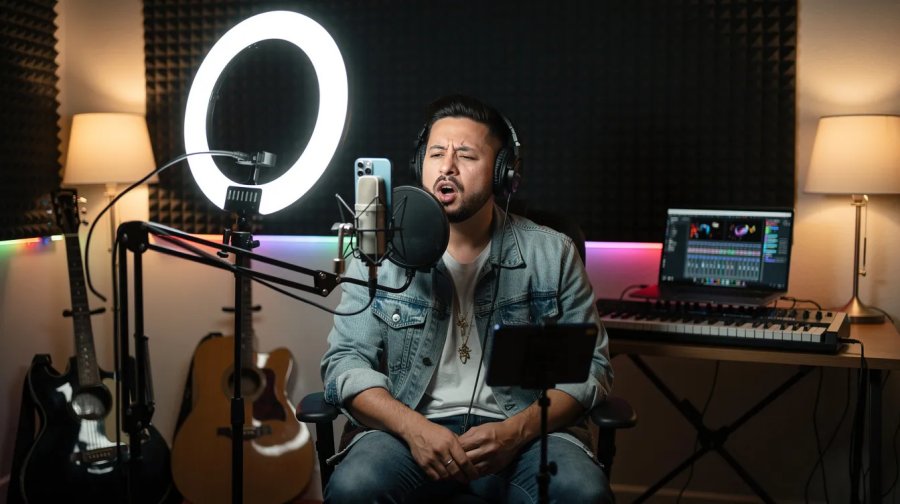
Creating a promotional calendar that synchronizes all your efforts across different channels can ensure that each promotional activity supports the others, leading to a more cohesive campaign. Monitor analytics (watch time, saves, shares, profile visits) to see which content translates to real listener growth on streaming services.
Music Blogs, PR, and Editorial Coverage
While playlists drive many first listens, music blogs and music PR still shape credibility, SEO, and long-term fan trust in 2026. Blog coverage creates searchable, permanent assets that appear when fans Google your artist name or song titles.
Online magazines, niche genre blogs, and local press tell a deeper story about emerging artists than a single playlist placement can. Music PR as a service includes writing press releases, pitching music journalists and reviewers, securing interviews, and arranging podcast appearances.
Many music promotion services offer multi-channel approaches, allowing artists to submit their music to various platforms like Spotify playlists, blogs, and TikTok simultaneously. Press coverage alone rarely explodes streams—but it amplifies other promotions when timed well with playlist pitching, social media buzz, and touring.
DIY Blog and Press Outreach
Use databases like the Indie Bible Online Database to filter music blogs and webzines by genre and country for precise targeting instead of guessing which outlets to pitch.
Simple email pitch structure:
- Subject line: Artist name + genre + release type (“Chicago Alt-R&B: New Single Premiere Request”)
- 2–3 sentence story hook
- 1 short paragraph about the song or album
- Direct streaming and download links
- EPK attachment or link
Personalize pitches by referencing a recent article or playlist the blog posted and explaining why your music fits their taste. Music submissions that show you’ve actually read the outlet perform dramatically better.
Timelines:
- Send pitches 3–4 weeks before release for premieres
- Follow up once after 5–7 days if no response
- Track outreach in a spreadsheet (outlet name, contact, date sent, response, result)
When to Hire a Music PR or Promotion Service
PR is most effective when an independent artist already has momentum—growing fans, strong live show reputation, or prior streaming traction—rather than at their very first release.
Scenarios where hiring makes sense:
- Album launches with 3+ singles already building audience
- Major collaborations or features
- Festival appearances
- Significant sync placements (TV/Netflix placements)
A serious music PR agency should provide clear deliverables (number and type of outlets), realistic expectations, and transparent pricing. Research agencies via reviews, past campaigns, and resources like the Indie Bible’s genre-sorted PR and radio sections before investing.
Avoid services promising specific streaming numbers or guaranteed editorial playlist placement on Spotify—these often violate platform rules or rely on low-quality tactics that damage your algorithmic standing.
Choosing the Right Playlist Promotion Service
The effectiveness of music promotion platforms can vary significantly based on the genre and the specific curators targeted, making research and strategic selection crucial for success.
Evaluation criteria:
- Clear curator lists with real playlist links
- Transparent average results (typical placement rates, save rates)
- No promises of “x,000 guaranteed streams”
- Longevity in the industry
Cross-check curators and playlists using the Indie Bible or by manually examining follower growth, save ratios, and listening behavior on Spotify. Start with smaller test campaigns (one single with modest budget) and measure performance: saves per listener, skip rates, and how many new listeners remain as followers after the campaign ends.
Multi-genre artists should work with services that let them target specific niches (lofi study beats, melodic techno, acoustic folk) rather than broad “pop” playlists. Ethical services focus on long-term relationships with curators, blogs, and industry influencers—not just quick spikes of plays.
Building Direct Relationships with Curators
Use tools and directories (including the Indie Bible’s playlist and streaming sections) to identify and contact relevant Spotify playlist curators and internet radio hosts who maintain their own playlists.
Guidelines for respectful playlist outreach:
- Short introduction establishing who you are
- Links to one best track (not your entire catalog)
- Specific reason your song fits their playlist theme or audience
- Thank them for their time regardless of outcome
Engage with curators on social media by sharing their playlists, tagging them in posts when your track is included, and thanking them publicly. Ongoing relationships with 10–20 aligned curators can be more powerful than one-off mass submissions to hundreds of generic playlists.
Track each curator’s performance data (stream counts, saves, new followers) over multiple releases to identify top partners worth maintaining.
Integrating Live Performance and Real-World Promotion
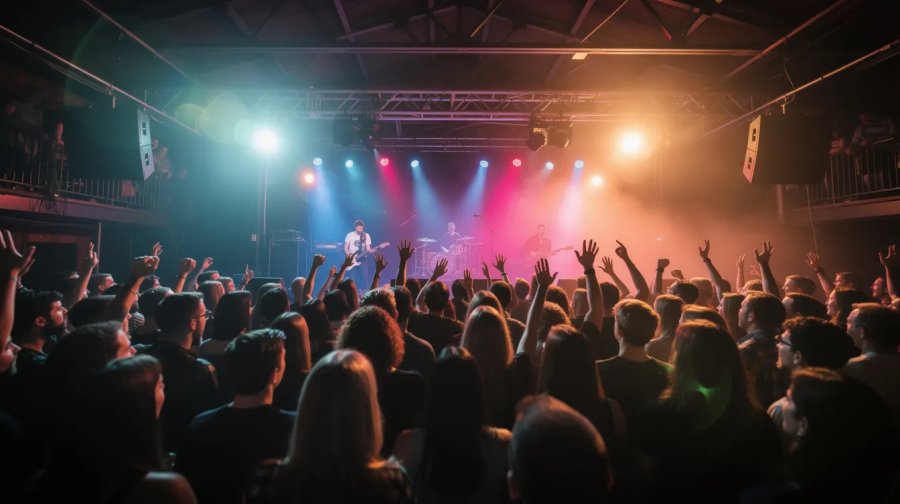
Even in 2026’s streaming-first world, live shows, tours, and local events remain crucial steps in independent music promotions. Live performances create real-world connections that leave lasting impressions on fans and industry professionals, which is crucial for an artist’s growth.
Progressive performance levels:
- Open mic nights and local showcases
- Support slots at established venues
- Headline club shows
- Local festival appearances
- Small regional tours
Participating in open mic nights and local performances helps artists build recognition and relationships within their music community, which can lead to more opportunities. View each gig as both a performance and a content session—live shows provide a rich source of digital content, allowing artists to capture high-quality videos and audience reactions to share on social media.
Turning Gigs into Digital Growth
Practical tactics:
- Place QR codes on posters and merch linking to smart links or Spotify profiles
- Run small contests requiring following your page or joining your mailing list
- Record at least one song in good audio/video quality at each show
- Encourage fans to tag you in Stories and videos, then repost the best content
Collecting email addresses for a mailing list allows independent artists to build a direct connection with their fans. Gather contact details at the merch table (email or SMS opt-ins) to promote future releases, tours, and crowdfunding campaigns.
Running targeted digital ads on platforms like Instagram, TikTok, and YouTube can help independent artists reach specific audiences around key shows. Combine local press coverage, event calendar listings, and paid social campaigns to attract new fans beyond your current audience.
Using the Indie Bible to Plan and Scale Independent Music Promotions
The Indie Bible is a 1500+ page digital resource, organized into 16 sections, sorted by genre and geographic location, updated for 2026. Our mission is to provide affordable, practical tools that help independent artists of all genres achieve worldwide exposure on a limited budget, based on over 25 years of experience.
The Indie Bible Online Database allows independent artists to search instantly for relevant playlists, music blogs, radio stations, record labels, and other music promotion services worldwide. Instead of guessing which outlets to pitch, artists can filter options that actually welcome indie music in their style and region—saving months of trial and error.
We’ve helped thousands of artists increase their exposure through music reviews, radio airplay, record deal signups, and distribution connections. Independent promotion focuses on niche marketing, targeted social media ads, and playlisting instead of broad advertising—and we provide the research infrastructure to make that targeting precise.
Building Your Own Promotion Plan with Indie Bible Resources
Example campaign design: A 2026 indie rock artist planning a summer EP release uses the database to find:
- 50 genre-specific music blogs in North America and Europe
- 40 relevant Spotify playlists accepting music submissions
- 20 college radio stations for radio promotion
Segment outreach by release phase: | Phase | Timing | Focus | |——-|——–|——-| | Pre-release | 3-4 weeks out | Blog premieres, playlist editors | | Release week | Days -3 to +7 | Coverage push, social media surge | | Post-release | Weeks 2-8 | Long-tail features, interviews, radio |
Track which outlets from the Indie Bible respond best and build relationships with them over multiple releases. Collaborating with other artists helps expand reach by cross-pollinating fanbases in independent music promotion—and the database helps you identify collaborators in complementary genres.
High-volume content release, such as singles every 6-8 weeks, is a strategy to keep audiences engaged while maximizing the Indie Bible’s value across multiple campaigns. Combining our resources with consistent content creation, smart use of streaming services, and occasional meta ads or targeted advertising can create a sustainable promotion system—even without a label.
Measuring Results and Adjusting Your Strategy
Independent music promotions should be data-driven, not guesswork. Every campaign should end with a simple review of what worked and what did not.
Key metrics to track:
- Monthly listeners and follower growth on streaming services
- Save rates and playlist adds
- Social media growth rates and engagement
- Email list growth
- Show attendance and merch sales
Use analytics from Spotify for Artists, Apple Music for Artists, YouTube Studio, Meta Business Suite, and email platforms to see which channels actually move the needle. Compare performance across different promo services, content types, and territories to refine targets over time.
If your current approach isn’t moving the needle, don’t hesitate to pivot and try new strategies while monitoring their results. When certain songs or content consistently outperform others, lean into those styles and stories in future releases.
Common Mistakes and How to Avoid Them
Frequent errors to avoid:
- Promoting unfinished or poorly mixed tracks
- Relying on one platform only (Spotify without social media, or vice versa)
- Buying fake streams or followers (damages algorithmic performance)
- Not collecting emails or phone numbers from engaged fans
- Wasting money on services promising guaranteed results
One-off campaigns—a single playlist push with no follow-up releases—usually fade quickly. Planning a sequence of singles or EPs across 6–12 months creates compounding effects where each release builds on the previous audience.
Start with modest budgets and reinvest only into tactics showing clear, repeated results. Avoid chasing trends at the expense of authenticity; audiences in 2025–2026 increasingly value believable, personal stories from small artists who maintain their voice.
Revisit the Indie Bible and your own data after each cycle to update contact lists, refine pitches, and plan the next step in your independent music promotions.
FAQ
How much should an independent artist budget for music promotion in 2026?
Realistic ranges span from near-zero DIY (time-heavy, money-light) up to typical indie budgets of $200–$1,000 per single. A $200 budget covers basic playlist promotion and modest social ads. $500 adds small PR outreach. $1,000 enables comprehensive campaigns across multiple channels. Never spend money you cannot afford to lose—focus first on learning, testing small campaigns, and using affordable resources like the Indie Bible. Building a home content setup (good phone, basic lighting, audio interface, mic) often delivers better long-term returns than a single big promotion service spend.
How long does it take to see results from independent music promotions?
Short-term results—playlist adds, blog features, small follower bumps—often appear within 2–6 weeks, especially around release day. Meaningful career shifts (strong monthly listeners, consistent merch sales, touring demand) typically require 6–24 months of continuous releases and integrated promotion. Think in multi-release arcs (three singles followed by an EP) rather than hoping for one breakthrough track.
Are paid music promotion services better than doing everything yourself?
Neither approach is automatically better. The most successful independent artists combine DIY efforts (social media, direct curator outreach using the Indie Bible) with carefully chosen paid services. Early in a career, DIY plus research resources often provide more learning and flexibility. Strategic spending on PR or playlist promotion makes sense once you have a clear audience, defined sound, and tracks worth investing in. Evaluate any service based on transparency, track record with indie artists, and fit with your genre.
What are red flags that a music promotion or playlist promotion service might be a scam?
Warning signs include: promises of guaranteed editorial placement or specific stream counts, no public curator list, playlists with suspicious listener behavior (very low saves, strange geography patterns), and refusal to explain methods. Check whether playlists actually appear in user search on Spotify, whether followers are growing naturally, and whether other independent artists vouch for the service. Cross-reference with ratings, word-of-mouth in artist communities, and curated listings in the Indie Bible.
How can I use the Indie Bible if I only have a few hours a week for promotion?
Time-poor artists can pick one or two focus areas (music blogs and Spotify playlists, for example) and use the Indie Bible’s filters to build a small, high-potential target list of 20–40 contacts. Establish a weekly routine: one evening sending 5–10 tailored pitches, one evening following up with past contacts, one short session updating your tracking spreadsheet. Even with limited hours, consistent outreach over 3–6 months builds a meaningful network that compounds with each future release.