
What Is Music Marketing (and How It Differs from Promotion)?
Music marketing is the ongoing, strategic process of reaching the right listeners and building a fanbase around your artist brand, releases, and live performances. It’s not a single campaign—it’s an ecosystem that touches every aspect of your musical journey, from your Spotify profile to your merch table.
The key distinction: music marketing builds long-term brand identity, story, and audience relationships. Music promotion refers to short-term tactics like a one-off Instagram ad or a single playlist pitch. Many artists confuse the two, burning out on random promotional bursts without building the strong foundation that sustains a music career.
In the 2020s, marketing looks like announcing new music on TikTok, growing an email list, designing cover art that matches your sound, and nurturing a community across social channels. For independent artists using DIY distribution and direct-to-fan platforms, every touchpoint—your YouTube channel, website, even your press kit—is part of your marketing ecosystem.
Build a Distinct Artist Brand and Creative Vision
A strong artist brand is the foundation of all effective music marketing strategies. In a market where streaming services see over 100,000 new tracks uploaded daily, your musical identity is what makes you memorable.
Defining your brand involves:
- Clarifying your genre, influences, and values
- Identifying what makes you different from similar acts
- Crafting a unique selling point fans can articulate
Translate that identity into visuals: logo, color palette, typography, album art, and imagery. Visual consistency in marketing includes using consistent usernames, high-quality artist photos, and a cohesive online presence. Your creative vision should guide every asset—cover art, music videos, tour posters, merch design—so everything feels like one cohesive world.
Your tone of voice matters too. Whether witty, vulnerable, or mysterious, maintain consistency across bios, captions, newsletters, and interviews. Review and refine your brand at least annually as your amazing music and audience evolve.
Music Marketing in the Digital Age
The digital age has fundamentally reshaped the music industry. Spotify now boasts over 626 million monthly active users, while TikTok reaches 1.5 billion. Independent artists can release globally via digital distributors and reach fans in 150+ countries without a record label—if they have a smart marketing strategy.
Key channels to master:
| Channel | Primary Use |
|---|---|
| Streaming services | Discovery and catalog building |
| Social media platforms | Engagement and content |
| Direct sales and announcements | |
| Digital ads | Targeted reach |
| Direct platforms (Bandcamp, Patreon) | Revenue and superfan cultivation |
Algorithms on Spotify, YouTube, TikTok, and Instagram Reels reward consistent activity and content that keeps people watching. Short-form video remains the primary driver for music discovery. Platform data (location, age, listening habits) lets you target new audiences more precisely than traditional radio ever could.
Despite rapid changes, core principles persist: strong songs, compelling stories, authentic fan relationships, and reliable release schedules.
Design a Practical Music Marketing Plan
Every release—single, EP, or album—deserves a written marketing plan, even if it’s one page. Setting SMART goals transforms random promotion into a viable business. For example: “Gain 1,000 new Spotify followers in 90 days via TikTok and email.”
Build a timeline around your upcoming release:
- 8 weeks out: Teasers and pre-save campaigns
- 4 weeks out: Pitch to playlists and press
- Release day: Coordinated blast across social platforms
- 4 weeks after: Music video, follow-up content, upcoming shows
Budget realistically. For a single, many artists invest $100–$1,000 across artwork, video, ads, and PR. Choose 2–3 primary channels instead of spreading thin everywhere. Revisit your plan after each release campaign using analytics and fan feedback.
Optimize Your Online Presence and Profiles
Your online presence is often the first impression for fans and industry professionals. A consistent and professional online presence builds trust and helps fans, collaborators, and industry professionals understand who you are and what you offer.
Everything should match your brand identity: same artist name, logo, colors, and tone everywhere. Audit profiles quarterly to ensure bios, photos, links, and featured tracks stay current.
Build a Professional Artist Website and Electronic Press Kit (EPK)
Your website is your central hub—it’s the one place where you control the experience, showcasing your music, selling merch, promoting shows, and collecting emails for your mailing list.
Essential pages:
- Home (latest release, auto-play)
- About/Bio
- Music/Discography
- Videos
- Shows/Tour dates
- Store/Merch
- Contact/Booking
Integrate an email signup prominently, offering an incentive like an exclusive demo. Creating an Electronic Press Kit (EPK) is essential for artists to promote their music, as it provides a comprehensive overview including a bio, press links, and high-resolution photos, making it easier for fans and industry professionals to share their music.
Your EPK can live at yourname.com/epk with:
- Concise bio (150–300 words)
- 5+ high-res promo photos
- Embedded music and music videos
- Notable press quotes
- Social and streaming links
- Contact information
Unify Social Media Handles and Profiles
Using consistent handles across all platforms makes you easier to find and reinforces your branding. Claim @ArtistNameMusic across Instagram, TikTok, X, Facebook, and YouTube. Add “music” or “official” if your exact name is taken.
Optimize bios with a short description, current release mention, and single link (use a smart-link landing page). Keep profile photos and banners uniform so fans instantly recognize you. Focus energy on 1–2 platforms matching your content style while maintaining minimal presence elsewhere.
Claim and Customize Artist Profiles on DSPs
Claiming your profiles on streaming platforms like Spotify and Apple Music allows you to customize your artist page, track analytics, and increase visibility. Major DSPs include Spotify, Apple Music, Amazon Music, YouTube Music, Deezer, TIDAL, and SoundCloud.
Profile elements to customize:
- Artist bio and photos
- Social links
- Artist picks and featured playlists
- Canvas visuals (Spotify)
- Upcoming events
Use artist tools to pitch tracks for editorial playlists and access valuable analytics on listener locations, age brackets, and top songs.
Develop a Content and Social Media Strategy
Random posts rarely grow a fanbase. Creating a content strategy that includes a mix of personal storytelling, behind-the-scenes glimpses, and engaging visuals can help artists maintain a consistent presence on social media and keep their audience engaged.
TikTok, Instagram Reels, and YouTube Shorts are essential platforms for music marketing, with a recommendation to post 3–7 times per week. Create content pillars (performance clips, songwriting snippets, lifestyle, fan interactions) to keep posting varied but on-brand.
Create Scroll-Stopping Music Content
Using platform-specific best practices, such as short-form video for TikTok and polished visuals for Instagram, can enhance the effectiveness of social media content for music promotion.
Content types that work:
- Short performance clips
- Lyric snippets with text overlays
- Storytelling about songs
- Rehearsal footage
- Fan reaction videos
Hook viewers in the first 1–3 seconds with text like “I wrote this after my worst breakup in 2025.” Raw, authentic smartphone videos often outperform expensive productions. Slice one 3-minute session into 5–10 short form videos over several weeks. Always add captions for silent viewers.
Build a Consistent Posting Rhythm
Consistency beats intensity. It’s better to post a few times weekly for months than daily for 10 days and disappear. Algorithms reward regular posting and active engagement over time.
Create a simple content plan mapping posts to dates around music releases, tour announcements, and milestones. Mix evergreen content (general behind-the-scenes) with timely posts (release countdowns). Batch content creation—film several videos in one afternoon.
Prioritize Engagement Over Vanity Metrics
Artists should prioritize engagement over reach on social media, as a smaller, highly engaged fanbase is often more valuable than a large number of followers with low interaction. Engaging authentically with followers and commenters on social media is crucial for building lasting connections and a loyal fanbase.
Practical engagement tactics:
- Reply to comments by name
- Ask questions in captions
- Repost fan content
- Run Q&A sessions
Encourage user-generated content by inviting fans to film shows or create TikToks to your tracks. Strong engagement signals help algorithms push your content to new listeners.
Use Streaming Platforms and Playlisting Strategically
Streaming now represents 67% of global music industry revenues. Success is less about one big playlist and more about building momentum across multiple small wins. Plan beyond release day with follow-up content, alternate versions, and playlist pitches over several months.
Release Cadence and Catalog Strategy
A waterfall release strategy involves releasing a series of singles 4–6 weeks apart before an album to keep profiles active on streaming platforms. This steady cadence keeps you in algorithmic feeds and fan conversations.
Plan clusters of releases (3–4 singles leading into an EP) instead of disappearing after one album drop. Use different versions (acoustic, remix, live) to extend strong songs. Align major marketing pushes—music video release, tour announcement, merch drops—with your strongest tracks. Don’t forget pre-save campaigns.
Pitch to Editorial and Independent Playlists
Submitting your song for editorial consideration at least three to four weeks before release can maximize your chances of landing on editorial playlists. Use Spotify for Artists and similar DSP portals.
Researching independent curators and user-curated playlists can drive meaningful engagement and help build momentum for your music. Platforms like SubmitHub and Groover help connect with smaller curators. Pitching your music respectfully with short, personal, and professional messages can significantly improve your chances of getting featured on playlists.
Dozens of niche user-curated playlists often deliver more engaged listeners than a single huge but off-target editorial list. The Indie Bible can help artists find contact info for genre-specific playlist curators, radio shows, and music blogs worldwide.
Leverage Artist Tools and Analytics
Key analytics available through Spotify for Artists and Apple Music for Artists include:
- Listener location and age brackets
- Top tracks and completion rates
- Top playlists featuring your music
- Daily and weekly trends
Use this data to choose tour stops, run geo-targeted digital ads, or prioritize songs in future campaigns. Create your own playlists featuring your tracks alongside similar artists—a discovery tool that supports your scene.
Harness Music Videos and Visual Content
In the digital age, music discovery is highly visual. “Music video” no longer means only big-budget clips—lyric videos, live sessions, performance reels, and vertical short form content all count.
Consistent visual themes reinforce brand identity. Design concepts that align with your creative vision and realistic budgets. Plan video releases to bracket audio drops (visualizer on release day, full music video 2–3 weeks later) to extend campaign impact.
Plan Effective Music Videos on Any Budget
Even DIY phone videos benefit from pre-production: concept, storyboard, locations, wardrobe, and shot list. Single locations, friends as extras, and natural light yield strong visuals if the concept is compelling.
Prioritize 1–2 key songs for polished videos rather than spreading budget thin. Vertical formats (9:16) repurpose easily for TikTok, Reels, and YouTube Shorts. Capture behind-the-scenes footage during any shoot for additional social media content.
Repurpose Video Content Across Platforms
Cut one full-length music video into multiple shorter clips tailored to each platform’s style. Add platform-native elements: on-screen text for TikTok, cards for YouTube, stickers for Instagram Stories.
Schedule key video drops around important dates—release anniversaries, tour launches, festival appearances. Fan-shot concert footage can become tour diaries or recap reels that deepen community feeling.
Grow a Direct-to-Fan Engine: Email, Community, and Merch
Building direct relationships—email lists, private communities, mailing addresses—is crucial as algorithms and social platforms keep changing. Moving listeners off social media platforms and into an own ecosystem is crucial to ensure ownership of audience data.
Build and Nurture an Email List
Email/SMS lists are valuable tools for direct communication to sell merchandise, tickets, and music. Tactics for collecting emails include website popups, merch table clipboards, Bandcamp checkout opt-ins, and free downloads in exchange for addresses.
Send regular newsletters with:
- New releases and music featured updates
- Tour dates and upcoming events
- Exclusive demos and behind-the-scenes stories
- Curated playlists
Monthly updates plus special emails around major releases work well. Segment lists by location for targeted concert tickets invitations. Unlike social followers, email subscribers are owned contacts that move with you.
Create a Fan Community Around Your Music
Creating a community around your music can significantly enhance audience engagement, as it fosters authentic and sustainable relationships with fans. Community hubs on platforms like Discord and Telegram can nurture a loyal fanbase.
A “bond-over-buzz” philosophy supports effective marketing strategies by emphasizing deep engagement with fans. Offer perks: early access to music, monthly Q&A sessions, exclusive artwork. Engaging with fans through social media by sharing behind-the-scenes content or personal stories can make them feel more connected to the artist and their journey.
Set simple rituals like weekly listening parties or monthly live streams. These spaces are great for testing new songs before broader release.
Design Merch That Supports Your Brand
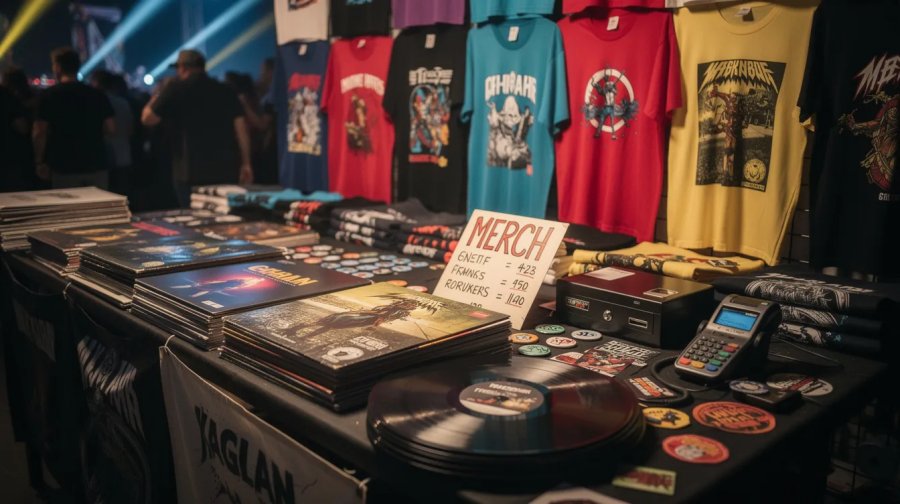
Merch should reflect your brand identity—not generic clip-art logos. Experiment beyond T-shirts: limited prints, lyric books, cassettes, enamel pins, custom hats.
Tie merch drops to campaigns (winter tour hoodie, music video-themed design). Track what sells best by location and price point. Merch tables at shows aren’t just for selling—they’re for collecting emails and starting conversations. Live performance remains the most effective way to solidify a fanbase.
Run Smart Digital Ads Without Wasting Your Budget
Digital advertising on platforms like Meta (Instagram and Facebook), TikTok, and YouTube can be effective for emerging artists, allowing them to target specific audiences based on genre, similar artists, or location. Even $50–$200 per campaign generates useful data and new listeners if targeted well.
Paid social ads on Instagram and TikTok using content that performs well organically reach new audiences effectively. Approach ads as experiments rather than expecting instant hits.
Choose the Right Platforms and Objectives
Primary options for up and coming artists:
| Platform | Best For |
|---|---|
| Meta (Instagram/Facebook) | Broad targeting, retargeting |
| TikTok | Discovery, younger audiences |
| YouTube | Video views, longer engagement |
| Spotify Ads | Listener targeting |
Choose objectives based on career stage: newer artists prioritize video views and follows; established acts focus on concert tickets or merch sales. Geo-targeting cities with strong streaming data stretches small budgets.
Create Ads That Feel Native and Authentic
Use short-form vertical videos featuring you performing or telling a story—not static graphics. Open with strong hooks in the first second. Effective music marketing in 2026 relies on a consistent, multi-channel approach prioritizing short-form video content, direct fan engagement, and authentic storytelling over polished ads.
Test multiple versions with different intros or captions. Include clear calls-to-action: “Listen on Spotify,” “Pre-save now,” “Get tickets.”
Start Small, Track Results, and Scale
Start with $5–$10/day over 7–10 days. Key metrics to watch:
- Cost per click and cost per view
- Watch time and click-through rate
- Follower growth and actual listens
Turn off underperforming ads; reallocate to winners. Document experiments in a simple log to learn from past campaigns.
Leverage Networking, PR, and Industry Resources
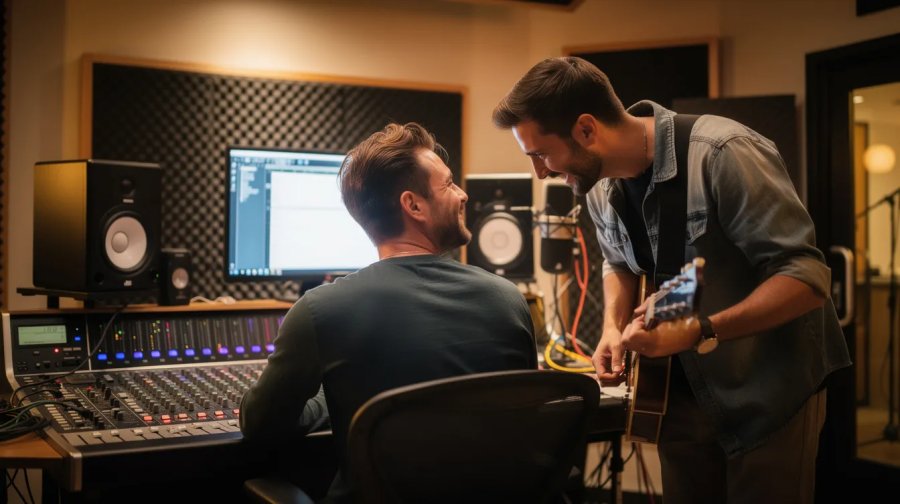
Networking with other artists, influencers, and bloggers can significantly enhance music promotion efforts, as these connections can lead to cross-promotion and exposure to new audiences. Combine DIY outreach with professional services when budgets allow.
Pitch to Blogs, Radio, Tastemakers, and Influencers
Research relevant outlets: niche music blogs, college radio, genre-specific podcasts, YouTube channels, and TikTok influencers. Craft concise, personalized pitches including your media kit, streaming links, and EPK.
Social media platforms are one of the most effective ways for musicians to promote their music, reach fans, and grow their audience, but it’s important to focus on platforms that resonate with the artist’s style and personality. Start with smaller outlets where competition is lighter. Track outreach in a spreadsheet.
Collaborate with Other Artists and Creators
Collaboration is win-win: splits on songs, guest verses, or joint tours introduce each artist to new audiences. Look for genuine musical alignment rather than clout-only partnerships.
Ideas include: split-EPs, cross-promoted live streams, co-curated playlists creating playlists together, or shared music videos. Work with non-musical creators—dancers, visual artists, filmmakers—to bring songs to new communities.
Use Indie Bible Resources to Expand Your Reach
The Indie Bible is a long-running digital resource and online database listing thousands of music promotion opportunities by genre and geography. For over 25 years, it has helped independent artists and emerging artists of all genres with music promotion, radio airplay, music reviews, and distribution leads.
The database spans 1,500+ pages organized into 16 sections, sorted by genre and geographic location. Artists can quickly find music blogs, radio stations, and playlist curators that match their style—saving time compared to random searching. Pairing a solid release strategy with Indie Bible’s curated contacts significantly increases exposure on a limited budget.
Measure, Learn, and Evolve Your Strategy
Successful music marketing is iterative. Set aside time monthly to review analytics from social platforms, streaming services, email providers, and ad dashboards. Compare results to your goals.
Key Metrics to Track Across Channels
| Channel | Key Metrics |
|---|---|
| Streaming | Monthly listeners, saves, playlist additions, top cities |
| Social | Engagement rate, follower growth, link clicks |
| Open rates (aim for 30%+), click-through rates, unsubscribes | |
| Live/Merch | Average attendance, merch buy rate, best-selling items |
Choose 2–3 “north star” metrics tied to current goals.
Adjusting Your Plan Based on Data and Feedback
Translate data into decisions: add upcoming shows in cities with strong streams; create more content around songs with high completion rates. Artists should prioritize genuine interactions with their audience over simply increasing follower counts, as a smaller, engaged fanbase is more valuable.
Use fan feedback from comments, DMs, and conversations as qualitative data. Poor performance isn’t failure—it’s guidance. Run periodic “strategy sprints” around big releases, keep what works, and build your long-term playbook. A music career takes years of consistent adjustments that compound over time.
FAQ
These questions address common practical concerns for independent artists navigating modern music marketing strategies.
How much should an independent artist budget for music marketing in 2024–2026?
There’s no single correct number, but realistic ranges help. For a single, many indie artists invest $100–$1,000 across artwork, music video production, digital ads, and PR. Split your budget: roughly 40% on creative assets, 30% on ads, 20% on PR/radio, and 10% on testing new tactics. Start lower on early releases, then scale once you understand which channels convert best for your audience.
How far in advance should I start marketing a new single or album?
For a single, begin planning 6–8 weeks before release. For an EP or album, start at least 3 months ahead. Key milestones: artwork finalized 5–6 weeks out, distributor delivery and playlist pitching 3–4 weeks out, teaser content 2–3 weeks out. Continue promotion for 2–3 months post-release with alternate versions, videos, and play live performances.
Should I focus more on TikTok or traditional music videos for YouTube?
The choice depends on your strengths and audience. TikTok favors short, frequent vertical clips for discovery; YouTube rewards longer-form content and official music videos for deeper engagement. Most independent artists benefit from a hybrid approach: film one strong music video or live session, then cut it into multiple short form content pieces. Prioritize the platform where you’re most comfortable creating regularly.
Do I really need an electronic press kit if I’m just starting out?
Yes—an EPK is strongly recommended even for early-stage artists. It makes contacting music blogs, college radio, venues, and collaborators far more professional. A starter EPK can be simple: one clear bio, a few good photos, links to your strongest tracks and music video, and contact information on a dedicated web page. Add music reviews and performance history as you grow.
When is the right time to hire a PR or radio promoter?
Hiring PR or radio teams makes sense once you have a solid brand identity, professional recordings, some existing audience, and a realistic budget for a 2–3 month campaign. Don’t spend your entire budget on PR if nothing remains for visuals, ads, or touring support—these other tactics work together. Until budgets allow professional help, use resources like the Indie Bible to run targeted DIY outreach to promoting music through blogs, radio, and playlist curators yourself.